

A new debate has arisen in Pakistan after the price of petrol reached nearly Rs 400 per litre, where experts say that a major part of the fuel price is not the actual cost but government levies and various charges.
According to the latest rates as of May 1, 2026, petrol (MS) is being sold at Rs 399.86, while high-speed diesel is being sold at Rs 399.58 per litre. However, if this price is examined in detail, about 38 to 42 per cent of the amount is being collected in the form of various levies, taxes and margins.
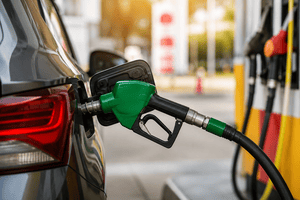
According to available data, the actual refinery price of a litre of petrol is around Rs 246, while the rest of the amount is included in various items, the largest of which is the Petroleum Development Levy (PDL), which has reached Rs 103.50 per litre. In addition, customs duty, freight margin, oil marketing companies’ profits and dealers’ commission are also included in the price.
The Climate Support Levy introduced in 2026 is also now increasing the price per litre, which is part of the government’s environmental policy, but questions are being raised at the public level.
According to economists, the government has adopted a “tax shifting” strategy in recent months, under which the burden on diesel has been reduced and more burden has been placed on petrol users. The aim of this move is said to be to control the fiscal deficit.
Experts warn that this increase in fuel prices is not only increasing travel costs for citizens, but its effects are also reaching other sectors of the economy, which is expected to further increase inflation.