
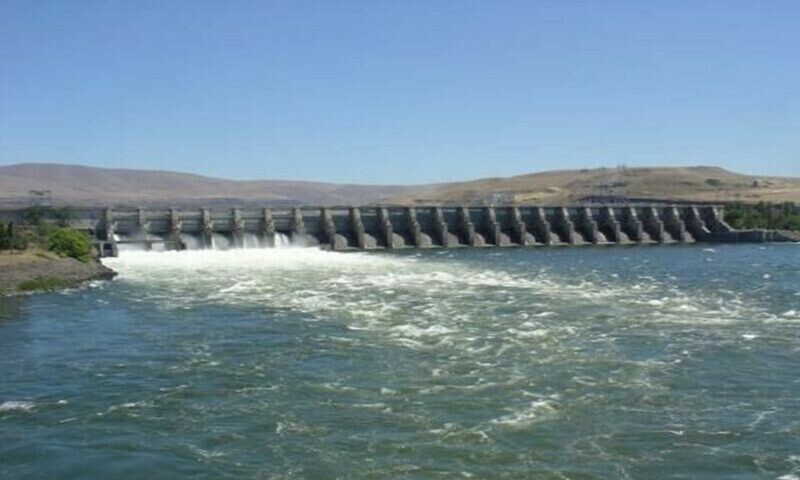
Water scarcity in Sindh is once again becoming a serious political, economic and agricultural problem, where authorities and farmers’ organisations have claimed that the lower reaches are facing severe shortages due to the upstream areas taking more water than their allotted share.
According to the latest data from Sukkur Barrage, 53,200 cusecs of water were allocated for the seven major canals of Sindh, but in practice only 32,120 cusecs of water are being provided. Thus, the province is facing a water shortage of about 40 percent.
On the other hand, available data shows that various barrages and canal systems of Punjab are receiving water in excess of their allocated amount. This is why water availability is rapidly decreasing in many important agricultural areas of Sindh and crops are facing serious risks.
The situation is particularly alarming in Dadu Canal, where water shortage has crossed 85 percent. Similarly, significant shortages have also been reported in the command areas of North West Canal, Khairpur Feeder West and Kotri Barrage. According to experts, if the pace of agricultural activities in these areas is affected, there could be a direct impact on the economy.
The Larkana division is considered the most important rice-producing belt of Sindh. According to the Larkana Chamber of Commerce and Industry, Larkana district alone produces about 242,000 metric tonnes of rice annually, while the entire division earns about Rs 90 billion from rice production.
Moreover, out of about 650 rice mills in Sindh, about 500 are located in the Larkana region. In such a situation, a continuous water shortage can pose a serious threat not only to farmers but also to rice milling, exports, employment and local businesses.
Balochistan is also being affected by this crisis. Under the 1991 Water Appropriation Agreement, the province is supposed to get a certain amount of water, but due to the decline in canal flow, it is not getting its full share. This situation has raised new questions on the inter-provincial water distribution system.
Sindh Irrigation Department officials have warned in letters sent to higher authorities that if fair distribution of water is not ensured, several seasonal crops, including paddy, may be affected. The authorities have demanded immediate intervention and transparent distribution of water resources.
According to economic experts, this crisis is not just an agricultural issue but is also linked to Pakistan’s export earnings, food security and inter-provincial coordination. If the current situation continues, agricultural production, rice production and