
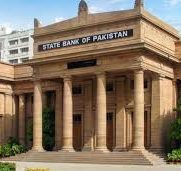
The State Bank of Pakistan (SBP) has indicated improvement in the country’s economy during the fiscal year 2025-26 and estimated the growth rate of gross domestic product (GDP) to be 3.5 to 4.5 percent in the current fiscal year 2026-27.
The central bank on Monday released its annual report on the state of the Pakistani economy, in which it said that Pakistan maintained economic stability despite domestic and global economic challenges. Prudent monetary policy, fiscal discipline and economic reforms under the IMF program played a significant role in this progress.
According to the report, the recovery in large-scale manufacturing supported real GDP growth. The improvement in industrial activity is also expected to have an impact on the agriculture and services sectors.
According to the State Bank, the volume of imports also increased due to the increase in economic activity, however, exports faced difficulties due to global economic conditions.
Nevertheless, a strong increase in remittances from overseas Pakistanis helped to limit the current account deficit to just 0.1 percent of GDP during the fiscal year 2025-26.
The central bank said that the country’s foreign exchange reserves improved significantly due to foreign exchange purchases, reduction in advance payments and government financial support. Inflows into Roshan Digital Accounts, including the issuance of Eurobonds and Panda Bonds, also supported the reserves.
The report said that the government’s fiscal consolidation efforts and a significant reduction in interest payments on debt have improved the fiscal situation. Prudent monetary and fiscal policies have also helped keep inflation under control.
According to the State Bank, average inflation in the fiscal year 2025-26 remained close to the upper limit of the medium-term target of 5 to 7 percent despite the Middle East conflict and rising energy prices.
However, the central bank has warned that the worsening El Niño situation could pose a threat to agricultural production. Nevertheless, according to preliminary data, the production of key kharif crops including sugarcane, rice and maize was better than last year.
The report predicts that the current account deficit will remain between zero and one percent of GDP during the fiscal year 2026-27. The continued increase in remittances is considered an important support in this regard.
The State Bank of Pakistan (SBP) expects inflation to gradually decline to within the medium-term target range of 5 to 7 percent, but the impact of global energy prices and other external factors will remain significant risks to the economic outlook.
According to the central bank’s report, there are clear signs of improvement in the economy, but continued improvement in industrial activity, exports, agricultural production and external financial stability is necessary for sustainable growth.
We welcome your contributions to The Pakistan Today. Submit your blogs, articles, press releases, news story pitches and news features to our editorial team.
Please send your submissions to our News Desk or Editorial team. We look forward to hearing from writers, journalists and contributors.