
High-level inter-departmental coordination was on full display as Prime Minister Shehbaz Sharif convened a crucial meeting to review the implementation of economic policies. The meeting, attended by a significant portion of the federal cabinet, focused on the daily monitoring of economic indicators to ensure that the government’s relief measures are effectively reaching the public.
Officials from various ministries briefed the Prime Minister that a system is in place where the economic impacts of the current global situation are analysed on a 24-hour basis. This allows the government to make data-driven decisions regarding energy, agriculture, and trade. The Prime Minister specifically directed Minister for Power Awais Leghari, Information Minister Atta Tarar, and Minister for Petroleum Ali Pervaiz Malik to ensure that their respective sectors contribute to the overall stability of the domestic market.
The presence of Economic Affairs Minister Ahad Cheema and Climate Change Minister Musadik Malik highlighted the government’s attempt to link economic stability with long-term environmental and external funding goals. PM Sharif concluded the meeting by reiterating that the goal is not just to survive the current economic storm but to emerge with a more resilient and export-orientated economy. He praised the effective coordination between the State Bank and the Finance Ministry, noting that consistent monitoring is the key to managing the supply-demand balance for the welfare of the Pakistani people.
| Chairperson | PM Shehbaz Sharif |
| Primary Focus | Macroeconomic Stability |
| Key Objective | Essential Goods Export Strategy |
| Monitoring | Daily Impact Assessments |
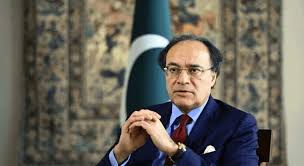
| Financial Lead | Finance Minister Muhammad Aurangzeb |
We welcome your contributions to The Pakistan Today. Submit your blogs, articles, press releases, news story pitches and news features to our editorial team.
Please send your submissions to our News Desk or Editorial team. We look forward to hearing from writers, journalists and contributors.