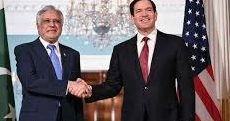
Pakistan appears to be playing a key diplomatic role amid the ongoing tensions between the US and Iran. The meeting in Washington between US Secretary of State Marco Rubio and Deputy Prime Minister Ishaq Dar further reinforced the impression that Islamabad is actively seeking mediation in the region.
The US State Department said in a statement that Rubio appreciated Pakistan’s “constructive mediation” on Iran. The development comes at a time when reports of a possible 60-day ceasefire agreement between the US and Iran are circulating in the US media.
According to reports, the proposed agreement includes points such as the restoration of maritime trade in the Strait of Hormuz, the clearing of Iranian mines and the lifting of the US naval blockade. However, Iranian sources say that the final approval of any agreement will be given by Tehran.
According to analysts, Pakistan’s diplomatic activities indicate that Islamabad wants to present itself as a balanced regional player. Pakistan’s relations with Iran, the Gulf countries and the US give it a unique diplomatic position.
During the meeting, it was also agreed to increase cooperation in the areas of trade, investment, security and counter-terrorism. The US Secretary of State, while condoling the Quetta attack, stressed the need to continue cooperation against terrorism.
Political observers say that if the ceasefire agreement between the US and Iran moves forward, Pakistan can play a more important role in back-channel diplomacy in the future.