
The price pressure on daily necessities has increased once again in the country. According to the latest data from the Pakistan Bureau of Statistics, the Sensitive Price Index (SPI) recorded a weekly increase of 0.49 percent in the week ending August 20, 2026, while the annual rate reached 9.66 percent.
According to the official report, out of the 51 basic commodities included in the SPI, the prices of 23 increased, 10 items became cheaper, while the prices of 18 remained unchanged. The weekly index increased from 359.15 points to 360.90 points, indicating overall price pressure in the market.
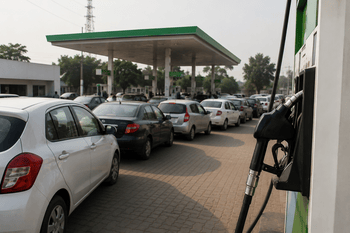
The significant reason for the price increase was the rising prices of onion, petrol and chicken. In a week, onion became expensive by 14.17 percent, petrol prices increased by 3.77 percent, while chicken prices increased by 3.35 percent. Some other consumer items including garlic, dal, gram and tea also became expensive.
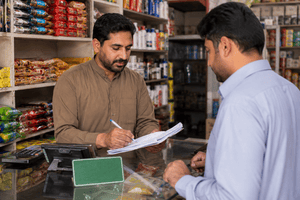
The sharp rise in onion prices could have a direct impact on household budgets, as it is a staple food item in Pakistani households. Similarly, rising prices of items like chicken and lentils could further increase overall food expenditure.
However, not all items became more expensive during the week. According to official data, the price of eggs fell by 5.78 percent, while diesel became cheaper by 5.15 percent. Tomato prices fell by 4.99 percent and potato prices by 1.17 percent. Some other items including sugar, LPG and bananas also became cheaper.
There was also a difference in price pressure across income groups. According to the statistics office, the weekly SPI for the lowest-spending group increased by 0.38 percent, while the increase for the highest-spending group was 0.55 percent.
The weekly increase in petrol prices is particularly significant because fuel prices are not limited to direct travel costs but can also affect the cost of transporting goods and supplying them. On the other hand, the reduction in diesel prices could provide some relief to the transport and freight sector.
The weekly SPI is an important short-term indicator for experts, but it is not considered equivalent to the monthly consumer price index. The SPI mainly shows the weekly price movements of essential commodities and monitors 51 items across 17 urban centres.
The overall picture from the latest data is that inflationary pressures remain, but prices of different items in the market are moving in different directions. Food supplies, petroleum product prices, global commodity prices and domestic supply and demand could influence this trend in the coming weeks.
We welcome your contributions to The Pakistan Today. Submit your blogs, articles, press releases, news story pitches and news features to our editorial team.
Please send your submissions to our News Desk or Editorial team. We look forward to hearing from writers, journalists and contributors.