
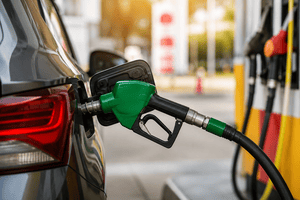
The pricing mechanism for petroleum products in Pakistan has entered a new phase, where changes in the global market are now being reflected in local prices relatively quickly. In this regard, the government has announced a reduction in the prices of both petrol and high-speed diesel after a fresh review.
According to a notification from the Petroleum Division, petrol will be available for Rs 328.56 per liter after being cheaper by Rs 3.39 per liter, while high-speed diesel will be sold for Rs 385.86 per liter after being reduced by Rs 4.7 per liter.
Despite this latest decision, the government has maintained taxes and duties of Rs 110 per liter on petrol and Rs 96 per liter on high-speed diesel, which are a significant part of the overall cost of the fuel. According to experts, the benefit of the decline in global crude oil prices is reaching consumers, however, the scope for a major reduction in prices remains limited due to the current rate of taxes.
Economic analysts say that the daily pricing system aims to adjust local prices more quickly according to the international market. On the one hand, this can quickly transfer the benefit of a decline in the global market, while on the other hand, in the event of a sudden increase in prices, the local market can also be immediately affected.
On the other hand, the representative organization of petroleum dealers has expressed reservations about the daily pricing system. According to them, continuous price fluctuations can put additional pressure on business planning, stock management and sales systems, which will require further consultation between the government and relevant institutions.
According to market experts, although the recent shortage of petrol and diesel is limited, its positive effects can be seen on transport, agricultural activities and daily travel expenses. They say that if crude oil prices remain stable in the global market, there may be possibilities of further relief for consumers in the coming days, however, it will depend on the global situation and the country’s fiscal policy.