


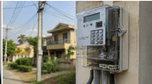
To control electricity theft and increasing line losses, Lahore Electric Supply Company (LESCO) has prepared a plan for the large-scale installation of smart meters equipped with modern technology. The aim of this initiative is to make the power distribution system more transparent, efficient and modern so as to reduce financial losses.
According to sources, the National Electric Power Regulatory Authority (Nepra) has given LESCO a target of installing more than one lakh AMI (Advanced Metering Infrastructure) smart meters. Under the project, priority will be given to those areas where the rate of power theft and technical and commercial line losses is relatively high.


Officials say that the project will cost about one and a half billion rupees and under it, both single-phase and three-phase types of smart meters will be installed. LESCO administration has issued instructions to the relevant departments for the implementation of the project so that the targets set by Nepra can be completed within the stipulated time.
According to the available plan, 94,800 single-phase smart meters will be installed on feeders with high line losses, while 5,400 three-phase smart meters are proposed to be installed in commercial and other sensitive locations with high risk of power theft. Officials say that with the help of these meters, real-time monitoring of electricity consumption, identification of unusual consumption and timely detection of possible theft will be possible.
According to energy sector experts, the AMI smart metering system not only automates the reading process but also provides accurate data on consumer usage, which can help in increasing transparency in billing, identifying technical losses and improving operational efficiency. This technology can also help in planning the power supply system more effectively.
LESCO officials say that the installation of smart meters is an important part of the ongoing reform measures in the power sector. It is expected that the project will significantly improve the prevention of power theft, reduction in line losses and provision of better services to consumers, while also helping to make the distribution system more robust in line with modern requirements.