
Fresh military tensions between Iran and Israel have once again jeopardised peace efforts in the Middle East, with Pakistan expressing concern over the situation and stressing the need for a diplomatic solution and restraint.
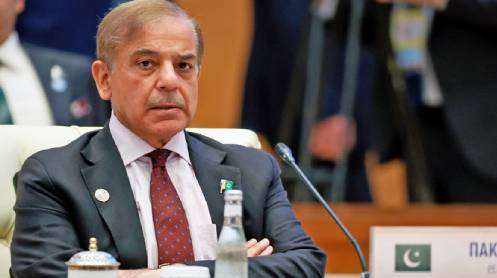
Prime Minister Shehbaz Sharif said in a statement that the recent violence in the region indicates that ceasefire agreements cannot be effective unless all parties consistently pursue a diplomatic path. He said that the possibilities for achieving peace still exist and should not be wasted.
The fresh tensions have emerged at a time when indirect talks between Iran and the United States for a long-term understanding are already said to be stalled. According to diplomatic sources, differences persist between the parties on several key issues, including uranium enrichment, lifting of sanctions, the situation in the Strait of Hormuz and regional security.
Experts say that the tension in the Middle East could have a direct impact on global energy markets, oil prices and international trade routes. The Strait of Hormuz in particular is considered a very important passage for global oil shipments, and any kind of uncertainty in this region can become a challenge for the global economy.
Pakistan has played a role at various levels in recent months to facilitate contacts between Iran and the United States and for diplomatic progress. In this regard, Interior Minister Mohsin Naqvi’s recent visit to Tehran is also being considered important in the context of regional diplomacy.
According to political analysts, a major reason for Pakistan’s emphasis on diplomacy is the need to maintain stability in the region, as the effects of any major conflict can be felt in the wider region, including South Asia. Experts say that in the current situation, there is a risk that increased tension will affect investor confidence and increase energy costs.
Prime Minister Shehbaz Sharif clarified in his statement that Pakistan is committed to the principles of peace, dialogue and political solutions. He said that prioritising diplomatic means instead of violence and military actions is in the interest of the people of the region.
According to observers, the coming days could prove decisive for the situation in the Middle East. If diplomatic efforts are successful, the prospects for stability in the region may brighten; however, further escalation of tensions could have serious consequences not only for regional security but also for the global economic situation.