
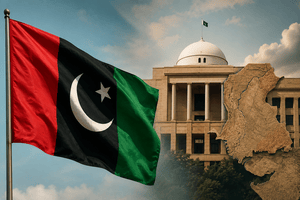
The political debate on the establishment of new provinces and administrative units in Pakistan has once again intensified. The PPP has decided to present a resolution in the provincial assembly opposing any proposal to divide Sindh.
According to sources, the PPP leadership has directed the Sindh Assembly to bring a resolution against the division of the province. A meeting of the party’s parliamentary party has also been called in this regard.
In the meeting, PPP members of the Sindh Assembly will consult on the text of the resolution and the issue of presenting it in the house. Party members have been directed to attend the meeting.
This decision has come at a time when the discussion on this issue has resumed in the country after the statement of Federal Interior Minister Mohsin Naqvi regarding new provinces and administrative units.
The PPP has been rejecting the proposal to divide Sindh in the past. Sindh Chief Minister Murad Ali Shah has also made it clear in recent days that the question of dividing the province is not acceptable. According to him, the Sindh Assembly has passed several resolutions against the division of the province in the past as well.
PPP leaders are of the view that there can be discussions on administrative reforms for better governance; however, the proposal to change the geographical status of Sindh will not be supported.
On the other hand, the circles supporting new provinces are calling the establishment of small provinces or administrative units necessary for a better administrative system in the country and to facilitate the people. Demands for separate provinces from different regions, including Punjab, Sindh and Khyber Pakhtunkhwa, have also been coming up in this discussion.
It is necessary to adopt a constitutional procedure to legally change the boundaries of a province or create a new province. This process requires the approval of the National Assembly and Senate along with the relevant provincial assembly.
The Sindh Assembly session has been summoned on August 28. Now it remains to be seen how the resolution presented by the PPP will be presented in the House.
We welcome your contributions to The Pakistan Today. Submit your blogs, articles, press releases, news story pitches and news features to our editorial team.
Please send your submissions to our News Desk or Editorial team. We look forward to hearing from writers, journalists and contributors.