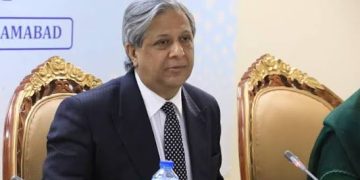

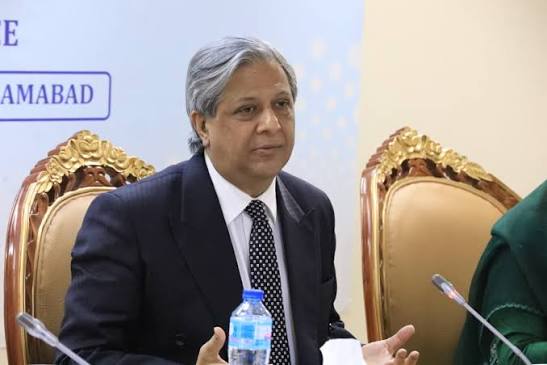
Federal Law Minister Azam Nazeer Tarar has reaffirmed the government’s commitment to protecting minority rights, promoting religious freedom and strengthening interfaith harmony in Pakistan.
Addressing a conference in Islamabad, the minister said the Constitution guarantees religious freedom to all minorities and provides a legal framework for equality and protection of their rights.
He stressed that mutual respect, access to justice and the rule of law were essential for building a peaceful and inclusive society.
Tarar highlighted the National Commission for Minorities Rights Act 2025, describing it as an important step towards addressing the concerns of minority communities and ensuring their legal protection.
He said representatives of different minority communities had been consulted during the preparation of the legislation. According to the minister, a consensus-based draft was developed after a two-year consultation process.
The law minister also explained that the prime minister and the leader of the opposition were responsible for nominating and appointing the commission’s chairman and members.
He expressed hope that the National Commission for Minorities Rights would become operational within the next few weeks.
Tarar said religious freedom, equal rights and respect for human dignity were essential foundations of a united society. He added that the government remained committed to safeguarding the rights of every citizen without discrimination.
Highlighting the contributions of minority communities, he said their members had played an important role in education, healthcare, public service, the judiciary and the armed forces.
The minister also called for collective efforts to promote religious harmony through education, responsible religious leadership and meaningful dialogue among different communities.
He urged bar associations to contribute by improving legal awareness and supporting vulnerable sections of society.
Tarar said protecting minority rights was not solely a government responsibility but required cooperation from institutions, civil society, religious leaders and the wider public.