
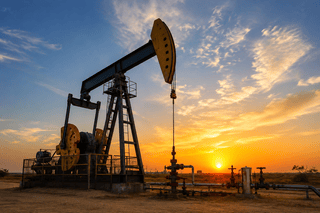
Crude oil prices have once again shown a bullish trend in the global market. Brent crude oil closed at $94.39 per barrel. US WTI reached $87.06. Both prices are close to their highest levels since July 24.
According to Reuters, Brent rose 61 cents on Friday. WTI also rose 23 cents. On a weekly basis, Brent rose 6.39 percent and WTI 5.66 percent. The market recorded a second consecutive week of gains.
The main reason for the fresh bullish trend is the uncertain situation in the Middle East. The threat of new sanctions by the United States on countries trading with Iran has increased investor concern. The market fears that this situation may further affect Iranian oil exports.
The Strait of Hormuz also remains a major threat to the global energy market. According to Reuters, commercial ship traffic through this route has been much lower than usual in recent days. Only six cargo ships passed through the Strait on August 19.
Despite this, global supply has not completely stopped. Saudi Arabia has resumed loading crude oil into the Strait of Hormuz. The United Arab Emirates and other sources are also playing a role in maintaining supplies.
The increase in global prices is important for Pakistan. The country relies heavily on imported oil for its energy needs. Therefore, global rates, freight and the value of the dollar affect import costs.
According to Reuters, Pakistani refiner Synergyco has increased imports of US crude oil after the disruptions in the Strait of Hormuz. The company imported 8.1 million barrels of crude from the United States during the last fiscal year. The move is part of an effort to diversify supply sources.
Global crude oil alone does not affect local petroleum prices. The value of the rupee, global commodity prices, import costs and government revenues also come into play. Therefore, a one-day increase in global prices does not necessarily mean an immediate increase in prices in Pakistan.
However, if the current tension prolongs and energy supplies through the Strait of Hormuz are further affected, additional pressure could be put on the global market. On the other hand, diplomatic progress and improved supply could rein in prices.
We welcome your contributions to The Pakistan Today. Submit your blogs, articles, press releases, news story pitches and news features to our editorial team.
Please send your submissions to our News Desk or Editorial team. We look forward to hearing from writers, journalists and contributors.