
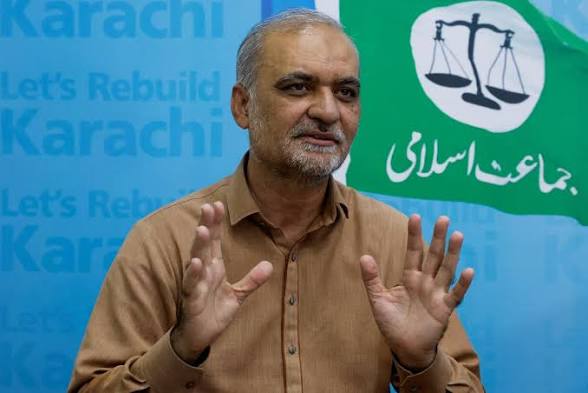
Jamaat-e-Islami chief Hafiz Naeem-ur-Rehman has hinted at expanding the protest movement due to lack of progress in talks with the government. He said that if the demands are not agreed upon, they will go for a nationwide strike.
Hafiz Naeem-ur-Rehman said that the aim of Jamaat-e-Islami’s movement is not just to reduce petroleum levy. According to him, Jamaat-e-Islami wants a fundamental change in the current political and administrative system.
Criticizing the current government structure, he said that influential political and economic classes dominate decision-making. According to him, the common citizen should be given a more effective role in the governance process.
The Jamaat-e-Islami chief demanded a three percent reduction in interest rates in terms of economic policy. He claims that this move could benefit the national exchequer by about Rs 1,500 billion.
Hafiz Naeem-ur-Rehman also linked interest payments to the country’s financial difficulties. According to him, the government pays about Rs 8,000 billion annually in interest on loans.
He said that a gradual reduction in interest rates could reduce the government’s financial expenses. He believes that this will also create scope for the public to get economic relief in phases.
However, these figures and potential savings should be seen as estimates by Jamaat-e-Islami. The actual financial impact of a change in interest rates is linked to many factors, including the volume of loans and fiscal policy.
Hafiz Naeem-ur-Rehman also questioned the government incentives enjoyed by the bureaucracy. He referred to facilities like big government houses, expensive cars and free fuel.
He suggested that the limit of government vehicles for any government officer should be set at 1300 cc. According to him, officers can be free to choose their personal vehicles.
The Jamaat-e-Islami Ameer linked the issue to public problems. He said that the common citizens are not getting better and cheaper travel facilities.
Jamaat-e-Islami is already holding sit-ins in different cities of the country. According to the party, negotiations with the government will continue and protest activities will also continue.
Hafiz Naeem-ur-Rehman clarified that if the negotiations are delayed, the scope of the protest will be expanded. According to him, a nationwide wheelbarrow strike can be called in the next phase.
He said that in this case, business activities including petrol pumps, shops and transport may be affected. Jamaat-e-Islami has demanded immediate steps from the government for public relief.
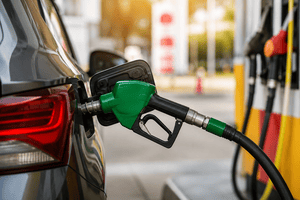
Petroleum levy is the main demand in Jamaat-e-Islami’s current protest campaign. Hafiz Naeem-ur-Rehman has urged the government to reduce or abolish the levy.
He says that if oil becomes expensive in the global market, the government should not put additional burden on the public. He also demanded a review of the profits and margins of refineries and oil marketing companies.
Jamaat-e-Islami is of the view that relief can also be provided to the public by reducing expenses in the energy sector. The party has also raised questions on IPP contracts and other energy expenses.
Hafiz Naeem-ur-Rehman also mentioned the history of national defense with reference to September 6. He said that ordinary citizens made extraordinary sacrifices in the defense of the country.
According to him, the state system should also prioritize the needs of citizens and national interest. Jamaat-e-Islami is linking its demands with economic reforms and reduction in government spending.
During the recent protest campaign, Jamaat-e-Islami also went on a nationwide shutter-down strike. After this, the party had announced to continue the sit-ins along with the negotiations.
Now the negotiations between the government and Jamaat-e-Islami have entered a crucial phase. Various economic demands including petroleum levy, electricity rates and government spending are likely to be discussed in the negotiations.
Politically, the challenge for the government will be to maintain a balance between public relief and financial stability. On the other hand, Jamaat-e-Islami will also be under pressure to move towards a workable solution through negotiations.
If the negotiations are not successful, the scope of the protest may widen. However, the practical effects of the wheelbarrow strike will depend on the participation of the public and business circles.
We welcome your contributions to The Pakistan Today. Submit your blogs, articles, press releases, news story pitches and news features to our editorial team.
Please send your submissions to our News Desk or Editorial team. We look forward to hearing from writers, journalists and contributors.