
Education is the foundation of a nation’s progress, prosperity and social development. It shapes the thinking of individuals, strengthens institutions and prepares young people to face the challenges of a changing world. For a country like Pakistan, with a large young population, education is not merely a public service; it is an investment in the future. Yet, despite decades of policies, reforms and promises, Pakistan continues to face serious challenges in providing quality education to every child.
The country’s education system is divided among public schools, private institutions, religious seminaries and other forms of learning. Although this diversity offers different educational opportunities, it has also created deep inequalities in access, affordability and quality. A child’s educational future is often determined by the family’s income, geographical location and social circumstances rather than by talent or ambition.
One of the most pressing challenges is the large number of children who are not attending school. According to UNICEF, approximately 25.1 million children aged 5–16 were out of school, representing around 35 per cent of the relevant age group. However, the Pakistan Economic Survey 2025–26 reports a lower out-of-school rate of 28 per cent for 2025, reflecting a difference in the reported estimates and reference periods.
The regional differences are striking. UNICEF estimates that 9.7 million children in Punjab, 7.4 million in Sindh, 4.5 million in Khyber Pakhtunkhwa and 3.5 million in Balochistan are out of school. In proportional terms, Balochistan faces particularly serious challenges, with nearly 69 per cent of its school-age children not attending school in the figures cited by UNICEF.
These figures represent more than a statistical problem. Every child outside the classroom faces a greater risk of limited opportunities, economic insecurity and exclusion from social development. Poverty, child labour, long distances to schools, inadequate facilities and the cost of education all contribute to this situation.
Pakistan’s literacy rate has improved gradually, but progress remains uneven. The Pakistan Economic Survey 2025–26 reports a literacy rate of 63 per cent, with male literacy at 73 per cent and female literacy at 54 per cent. The gap between urban and rural areas is also substantial: literacy stands at approximately 74 per cent in urban areas compared with 55 per cent in rural communities.
These differences reveal that access to education is not equally distributed. Girls in disadvantaged communities often face additional barriers, including poverty, early marriage, household responsibilities, limited transport and a shortage of nearby schools. In some areas, families are reluctant to send girls to schools where basic facilities, female teachers or safe transportation are unavailable.
Educating girls is essential not only for individual empowerment but also for public health, family welfare and economic development. Ensuring equal educational opportunities requires practical measures that address the barriers families face.
A major obstacle to improving education is the limited public investment in the sector. According to the Pakistan Economic Survey 2024–25, education expenditure stood at approximately 0.8 per cent of GDP, compared with 1.5 per cent in 2022–23 and 1.7 per cent in 2021–22. The survey reported expenditure of Rs962 billion for the financial year 2024–25, reflecting the financial pressure on the education system.
Low investment affects almost every aspect of education, from school buildings and classrooms to teacher training, textbooks and learning materials. Many public schools struggle to provide basic facilities, including electricity, clean drinking water, toilets and adequate classrooms. When schools lack these essentials, attendance and learning become difficult, particularly for girls and children from disadvantaged families.
Increasing education funding is important, but the effective use of available resources is equally necessary. Transparent budgeting, regular monitoring and accountability can help ensure that money reaches schools and benefits students.
Enrolling children in schools is only the first step. The real purpose of education is to help students develop knowledge, critical thinking, communication skills and the ability to solve problems.
Pakistan’s education system continues to face concerns about the quality of learning. In many classrooms, students are encouraged to memorise textbooks rather than understand concepts, ask questions or apply knowledge to real-life situations. Examination systems that focus heavily on rote learning can limit creativity and independent thinking.
The shortage of trained teachers, overcrowded classrooms and inadequate teaching materials further complicate the situation. Teachers need continuous professional development, practical training and support to create engaging learning environments.
Early-grade education deserves particular attention. Children who fail to develop basic reading, writing and numeracy skills may struggle throughout their academic careers. Improving foundational learning should therefore be a priority from the earliest years of schooling.
Pakistan’s education system includes public schools, private schools and religious seminaries. These institutions serve different communities, but disparities in resources, teaching methods and educational opportunities can reinforce social divisions.
Many private schools offer facilities and learning opportunities that are unavailable in underfunded public institutions, while low-cost private schools often operate with limited resources. For families unable to afford private education, public schools remain essential.
Religious seminaries also provide education to many students, particularly those from economically disadvantaged backgrounds. Greater coordination, access to modern subjects and pathways to further education can help students from different educational backgrounds participate more fully in society.
The goal should be to ensure that every child receives a meaningful education, regardless of family income, gender, religion or place of residence.
The world is changing rapidly, and education must prepare students for a digital and knowledge-based economy. Digital literacy, information technology, communication skills and vocational training are becoming increasingly important for employment and entrepreneurship.
However, access to technology remains unequal. Students in rural areas and low-income households may lack reliable internet connections, computers and other learning resources. Expanding digital infrastructure and providing affordable access to technology can help reduce this gap.
Higher education also requires greater attention. Universities must strengthen research, improve teaching standards and build stronger links with industry. Technical and vocational institutions should prepare young people for practical careers in fields such as information technology, agriculture, healthcare and manufacturing.
Reforming Pakistan’s education system requires a long-term national commitment. The government should gradually increase education spending, improve school infrastructure and ensure that public funds are used transparently. Special attention must be given to districts with high numbers of out-of-school children.
Scholarships, school meals, affordable transport and financial assistance can help children from low-income families remain in school. Recruiting and training qualified teachers, improving curriculum standards and modernising examinations can strengthen the quality of learning.
Federal and provincial governments must also coordinate their efforts, while local communities, parents, civil society and the private sector should play a constructive role in supporting schools.
Above all, educational progress must be measured not only by the number of schools built or students enrolled but also by what children actually learn.
Pakistan’s education system stands at a critical point. The country has a large young population, talented students and considerable potential, but millions of children still face barriers to education, while many others struggle to receive quality learning.
The future of Pakistan depends on how seriously it invests in its classrooms, teachers and students today. Education must become a sustained national priority rather than a promise repeated in policy documents and political speeches.
A child who receives a quality education gains the opportunity to build a better future. A nation that educates its children strengthens its economy, institutions and social fabric. Pakistan’s progress will ultimately depend not on how many children it has, but on how many it educates.
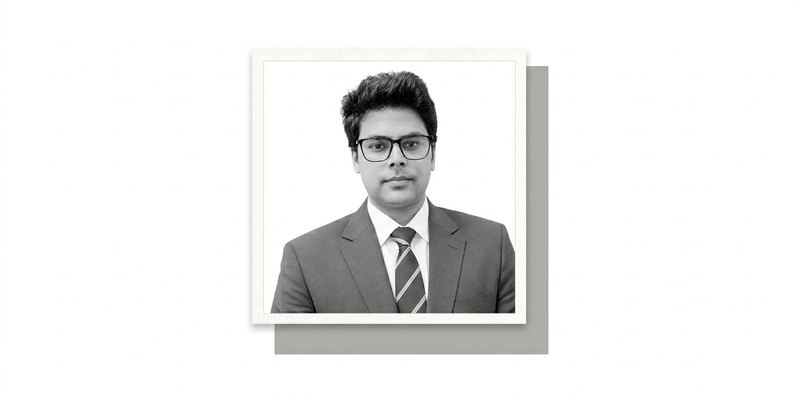
Imran Shoukat is a Lecturer in Political Science from District Toba Tek Singh, Punjab. His areas of interest include education, governance, public policy and social development. Through his writings, he discusses issues affecting Pakistan’s education system and the country’s broader social and institutional development.
We welcome your contributions to The Pakistan Today. Submit your blogs, articles, press releases, news story pitches and news features to our editorial team.
Please send your submissions to our News Desk or Editorial team. We look forward to hearing from writers, journalists and contributors.