
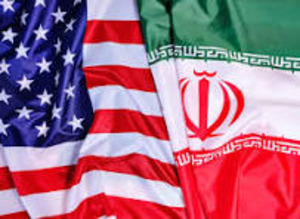
The recent military actions between the US and Iran have once again destabilised the situation in the Middle East. The claims made by both sides have reinforced the impression that the current tension is not just a diplomatic tension but is turning into a practical military front.
According to reports, the US has targeted radar installations in Iran’s Goruk and Qeshm islands. These installations are generally considered an important part of the air surveillance and defence system, and attacks on them are considered a significant breakthrough in any military strategy.
In response, Iran has claimed that it has targeted US bases in Kuwait and Bahrain. Although these claims could not be independently verified, such statements further increase tensions in the region.
The Iranian Foreign Ministry has described the US operations as a violation of the ceasefire and said that these measures are increasing tensions rather than reducing them. According to Tehran, if the situation worsens, the responsibility will fall on Washington.
On the other hand, the US CENTCOM has claimed that 6 out of 7 missiles launched by Iran were disabled. This statement shows that both sides are still actively using defensive and response capabilities.
According to analysts, this situation indicates a limited but dangerous “strategic escalation”, where both countries are targeting limited targets while avoiding direct all-out war. However, this type of strategy can often turn into a major conflict in the event of misunderstanding or miscalculation.
Global energy analysts say that if tensions increase in the Gulf region, it could also have an impact on global oil prices, shipping routes and the investment climate.
Experts also believe that in the current situation, diplomatic channels appear weak, while military statements are becoming stronger. This imbalance is making the situation more unstable.
The real question is whether these measures are a temporary response or a sign of the beginning of a longer conflict. The answer will become clear in the coming days from the global diplomatic response and the realities on the ground.