

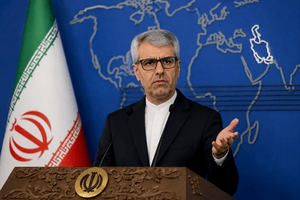
Iran has reacted to the defence agreement between Pakistan, Saudi Arabia and Turkey in such a way that Tehran has avoided calling the trilateral cooperation a direct threat to itself.
Iranian Foreign Ministry Spokesperson Esmail Baqai said in a press conference that the agreement does not pose a threat to Iran. His statement shows that Tehran is not currently viewing this development in the context of a direct conflict.
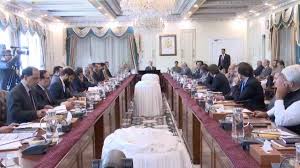
Pakistan, Saudi Arabia and Turkey signed a joint defence agreement in Mecca on August 7. The agreement emphasises strengthening collective defence and mutual cooperation between the three countries.
The Iranian spokesperson also expressed his reservations about the broader security structure in the region. According to him, Middle Eastern countries should not rely excessively on external powers for their security.
Baqai appealed to Gulf states not to use their territory for possible American operations against Iran. He said that regional countries can establish a more effective security system through mutual trust.
A key aspect of the Iranian position was related to the United States. Tehran says that as long as the alleged violations of the interim agreement continue, there will be no room for talks with the United States.
The Strait of Hormuz also holds special importance in the Iranian statement. Esmail Baqai said that the Strait of Hormuz can be opened if there is no interference from a third party.
The Iranian spokesman also clarified the arrangement with Oman. According to him, the United States is not a party to the agreement with Oman regarding the Strait of Hormuz.
The Strait of Hormuz is a very important route for global trade and energy transmission. The impact of any kind of tension here is not limited to the Gulf countries but can also affect the global energy market.
The Iranian response is of particular importance for Pakistan. Islamabad has close defence ties with Saudi Arabia and Turkey. On the other hand, Iran is Pakistan’s neighbour, and the two also have borders, trade and diplomatic ties.
Therefore, it will be important for Pakistan to maintain a balance in its regional relations with increasing security cooperation in the Gulf. Iran’s refusal to consider the Mecca defence pact a threat is a relatively cautious diplomatic signal in this regard.
However, the role of the United States in the Middle East, Iran’s security concerns, and the situation in the Strait of Hormuz are likely to remain important topics of regional diplomacy in the future.