


Pakistan’s inflationary pressures resurfaced sharply in April 2026, as consumer prices accelerated into double digits for the first time in nearly two years, reflecting the deepening impact of global energy disruptions and domestic cost pressures.
Fresh figures released by the show the Consumer Price Index (CPI) rising by around 11 per cent compared to the same month last year, breaking a 21-month trend of relatively moderated inflation. The latest increase underscores mounting difficulties for households already grappling with high utility costs and fluctuating food prices.

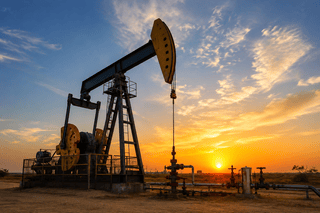
Unlike previous inflationary cycles driven by domestic demand, the current surge appears closely tied to external shocks, particularly disruptions in oil supply routes through the . The situation has significantly raised Pakistan’s fuel import costs, amplifying the overall price burden across multiple sectors.
Prime Minister recently acknowledged the severity of the situation, noting that Pakistan’s weekly oil import bill has more than doubled in recent weeks. This increase has directly translated into higher fuel prices, which are cascading into transport fares and the cost of essential goods nationwide.
April’s data highlights transport as one of the largest contributors to inflation, registering a steep rise on a monthly basis. Higher fuel prices have increased logistics and commuting costs, which in turn have pushed up retail prices.
Food inflation also remained volatile, particularly in perishable items such as vegetables and poultry, reflecting supply chain disruptions and seasonal fluctuations.
Housing and utility costs added another layer of pressure, with increases recorded in electricity, gas, and rent-related components. These essential expenses continue to consume a larger share of household income, leaving limited room for discretionary spending.
In response to the inflation spike, the raised its benchmark policy rate to 11.50 per cent, aiming to contain price pressures. However, the move has sparked debate among economists over its effectiveness in addressing inflation driven primarily by supply-side constraints rather than excess demand.
Economic analysts warn that tightening monetary policy under such conditions may slow economic growth without significantly easing inflation. Some experts argue that rising interest rates could increase borrowing costs for businesses, further constraining production and investment.
The inflation trend also reveals a widening urban-rural divide, with city dwellers facing slightly higher price increases due to greater exposure to transport and housing costs. Meanwhile, non-food inflation continues to remain elevated across both segments, indicating persistent structural challenges in the economy.
Despite the government’s projection to keep inflation within a 7 per cent target for the fiscal year, the latest figures suggest that achieving this goal may be difficult if global oil prices remain elevated and supply disruptions persist.
As Pakistan navigates this renewed inflationary phase, policymakers face the dual challenge of stabilising prices while sustaining economic growth, particularly in an increasingly uncertain global environment.