

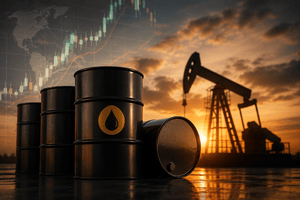
The renewed tension between the US and Iran has once again plunged the global energy market into uncertainty. Oil traders kept crude prices high on concerns about supply disruptions from the Middle East.
In the global market, Brent crude oil was above $95 per barrel while WTI crude oil was above $90 per barrel. Both major global benchmarks have seen significant increases this week.
The current surge in oil prices is not just the result of daily buying. The main factors behind this are the growing geopolitical risks in the Middle East and growing concerns about global supply.
The latest military actions between the US and Iran have re-emerged concerns that the conflict in the region could escalate. In such a situation, the risk of oil shipments from the Gulf countries to the world market is increasing.
In particular, the Strait of Hormuz is a very important route for global energy trade. If there is a prolonged blockage in this route, there could be immediate pressure on global oil and fuel supplies.
The prices of refined products along with crude oil are already rising rapidly in the market. This situation has also raised questions about the global availability of diesel.
The price of diesel in the US has become a clear example of this pressure. According to the latest data, the average price of US diesel has reached around 5.82 dollars per gallon. This is even higher than the previous record set in June 2022.
The price of US diesel has increased by around 55% this year. This increase has increased the cost of transportation, agriculture and industrial sectors.
Complicating the situation is the pressure on Russia’s refining capacity. The attacks on Russian oil refineries in Ukraine have further affected global diesel supplies.
As a result, the availability of refined fuels is becoming a major issue on the global market, more so than crude oil. Limited refinery capacity and low reserves have made the diesel market particularly sensitive.
Diesel and other distillate fuel stocks on the US East Coast are also at historically low levels. This situation has raised concerns about supply in the coming months.
The continued rise in diesel prices is not limited to the energy sector. Trucking, agricultural machinery, construction and industrial activities rely heavily on diesel.
Higher fuel prices increase the cost of transporting goods. This additional cost can then affect the prices of food, industrial products and other goods.
This situation could also pose a new challenge for central banks. If energy prices remain high for a long time, there is a risk of a resurgence of global inflation.
The global oil situation is also important for Pakistan. The country meets a large part of its energy needs through imports. Rising prices of crude oil and refined products in the global market can increase pressure on the import bill.
Its effects can reach the local level in petrol and diesel prices, transport costs and business costs. However, the ultimate impact of local prices is also linked to global prices as well as exchange rates and government taxes.
In the current situation, the direction of the oil market depends largely on the next phase of US-Iran tensions. If military action remains limited and shipments continue through key sea routes, price pressure may decrease.
On the contrary, if the conflict spreads to Gulf energy facilities or key oil supply routes, prices in the global market may accelerate further.
The biggest question in the market at the moment is not how much oil prices have risen today. The real question is how long does the threat to global supply persist. This factor will play a major role in determining the direction of crude oil and diesel prices in the coming days.
We welcome your contributions to The Pakistan Today. Submit your blogs, articles, press releases, news story pitches and news features to our editorial team.
Please send your submissions to our News Desk or Editorial team. We look forward to hearing from writers, journalists and contributors.