


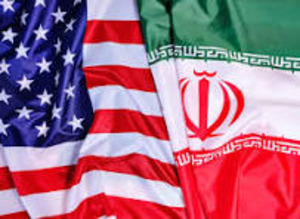
The United States and Iran have taken a significant step toward easing tensions by agreeing to a 60-day roadmap for talks that could ultimately lead to a comprehensive peace deal.
The deal was reached during direct talks in Switzerland, where officials from both countries met with the mediation support of Pakistan and Qatar. While the talks did not produce a final agreement, diplomats described the outcome as an important basis for future negotiations.


At the heart of the agreement is a commitment by both sides to continue technical and political discussions for the next two months. A new high-level committee will oversee the process and lead working groups that will address key areas of disagreement, including Iran’s nuclear program, economic sanctions and how to implement future commitments.
For years, relations between Washington and Tehran have been shaped by disputes over nuclear activities, sanctions, regional security and maritime tensions. The latest roadmap does not immediately resolve these issues, but it creates a structured process aimed at resolving them through diplomacy rather than confrontation.
One of the practical outcomes of the talks is the planned establishment of a direct communication channel between the two countries. Diplomats say this could help avoid misunderstandings and reduce the likelihood of incidents, especially around the Strait of Hormuz, one of the world’s most important shipping lanes for oil exports.
Regional observers believe the deal could have broader implications beyond bilateral relations. Improved communication between the United States and Iran could help ease tensions in conflict zones and help maintain stability in the Middle East.
The talks also highlighted Pakistan’s growing diplomatic role. Islamabad has played a role as a mediator alongside Doha, helping to bring the two sides closer together at a time when regional tensions are running high. Pakistani officials have touted the progress as evidence of the country’s commitment to conflict resolution and diplomatic engagement.
Despite the positive atmosphere surrounding the talks, experts have warned that major challenges remain. Both sides are likely to find difficult compromises on issues such as sanctions relief, nuclear safeguards, regional influence and security guarantees.
Still, the fact that Washington and Tehran have agreed on a timetable and framework for talks is being seen as a positive sign by many diplomats and international observers.
The coming weeks will now be crucial. Technical teams are expected to continue talks in Switzerland, while political leaders monitor progress through a newly established monitoring mechanism.
If the process succeeds, it could prove to be a turning point in one of the most complex diplomatic disputes in modern international relations. If it fails, tensions could quickly flare up.
For now, however, both sides appear willing to give diplomacy another chance, with the next 60 days likely to determine whether the current momentum can be turned into a lasting agreement.