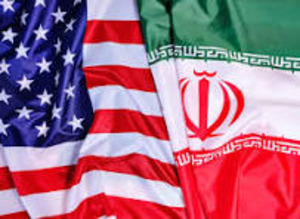
The recent developments on the issue of Iran’s frozen funds have once again complicated the diplomatic situation in the region. According to Arab media reports, some progress has been made in this matter; however, differences still persist on the volume of funds and their release time.
This dispute is not just financial but has a broader diplomatic and political background, where lack of trust-building emerges as a fundamental obstacle.
At the same time, US President Donald Trump has given a message to the mediators that the negotiation process cannot last more than 60 days. This statement actually shows the time pressure on the diplomatic process, which often limits the flexibility of negotiations.
On the other hand, Pakistan’s diplomatic activities are witnessing an acceleration. Federal Interior Minister Mohsin Naqvi’s visit to Tehran is taking place at a time when tensions and uncertainty are increasing between the US and Iran in the region.
During the meeting with Prime Minister Shahbaz Sharif, Iran-US negotiations were discussed in detail, while special instructions were also given to the interior minister. According to sources, this visit is not just a formal one but is being seen as a “high-level back-channel engagement”.
More importantly, Mohsin Naqvi is also conveying a special message to the Iranian leadership, allegedly from Pakistan’s top military leadership. If this information proves to be correct, it will be an important example of Pakistan’s diplomatic role in the region.
According to analysts, the issue of Iran’s frozen funds, US negotiating pressure and regional diplomatic activities are interconnected. All these factors together are determining the balance of power in the region and the future diplomatic direction.
Currently, the situation is in a transitional phase, where no side has been able to move towards complete superiority or a clear solution.