

Pakistan recorded a decline in weekly inflation during the latest assessment period, largely due to a sharp decline in petroleum product prices. However, rising prices of several essential food items continued to weigh on household budgets, highlighting the uneven nature of inflation across sectors.
According to the latest weekly price-sensitive inflation report released by the Pakistan Bureau of Statistics (PBS), the headline inflation rate fell by 0.98% compared to the previous week. Despite this short-term improvement, inflation remained high on an annual basis, with the Sensitive Price Index (SPI) showing a 13.52% increase compared to the same period last year.


The report shows mixed price trends across a basket of 51 essential commodities monitored by the bureau. 23 items increased in price, 11 items decreased in price, while 17 items remained unchanged during the week under review.
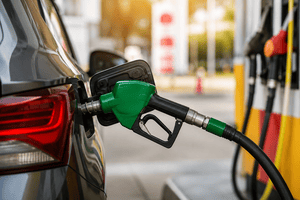
The most significant relief came from lower fuel prices. Petrol recorded a 19.77% weekly decline, diesel prices fell 17.73%, while liquefied petroleum gas (LPG) became 12.60% cheaper. These reductions are expected to reduce transportation and energy costs for consumers and businesses in the coming weeks.
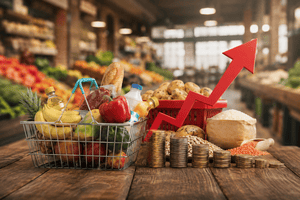
Despite the improvement in fuel prices, food inflation remained a major concern. Tomatoes recorded the highest weekly increase, increasing 125.40%, followed by onions, which increased 10.72%, and potatoes 10.06%. Egg prices rose 8.32%, while flour became 5.08% more expensive, adding further pressure on household grocery spending.
However, some food products became slightly cheaper during the week. Chicken prices fell 1.97%, banana prices 1.44%, and moong dal 1.29%.
Year-on-year comparisons presented a more difficult picture for consumers. Tomato prices remained 238.72% higher than a year ago, while onion prices increased 80.96% and flour prices 68.47%, reflecting continued food inflation despite recent weekly fluctuations.
The report also highlighted broader cost pressures beyond food. On a year-on-year basis, basic electricity tariffs increased 49.14%, while LPG prices were 44.08% higher than the same period last year.
Not all annual price movements were upward. Potatoes were 36.60% cheaper than a year ago, gram prices fell 22.11%, and sugar prices fell 19.42%, providing partial relief to domestic select items.
Economists say the latest data suggests that while lower energy prices have helped to ease weekly inflation, continued increases in food and utility costs are keeping overall inflationary pressures high. They note that continued improvements in supply chains, agricultural production, and broader economic conditions will be needed to maintain price stability.