

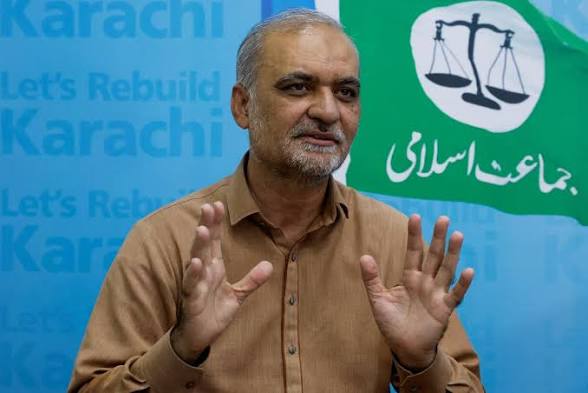
Jamaat-e-Islami Ameer Hafiz Naeem-ur-Rehman has announced to continue the protest campaign against the petroleum levy and has demanded that the government reduce the tax on fuel. He said that the rising prices have increased the financial pressure on the common citizens.
Addressing a Jamaat-e-Islami sit-in in Peshawar, Hafiz Naeem said that the continuous increase in petrol prices is unacceptable for the people. According to him, the government should take immediate steps on the issue of petroleum levy.
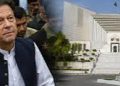
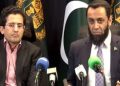
He alleged that the government is collecting heavy taxes from the common citizens. On the other hand, the ruling class is getting taxes and financial incentives. Hafiz Naeem urged the government to reduce the public burden.
Jamaat-e-Islami has recently launched a nationwide protest against petroleum levy and inflation. The party has held sit-ins in various cities including Lahore, Karachi, Peshawar and Quetta.
A major demand of the recent protests is to reduce the price of petrol. Jamaat-e-Islami has also demanded that the price of petrol be brought down to Rs 225 per litre during this campaign.
Hafiz Naeem made it clear in his address that his party does not want to turn the protest into a violent one. However, he warned the government that the scope of the protest could be further expanded if the demands are ignored.
He also hinted at a march towards Islamabad in the future. Earlier, Jamaat-e-Islami had also threatened a nationwide strike and wheel jam.
The issue of petroleum levy has become more important at this time because tax on fuel has become a major source of revenue for the federal government. In the recent financial year, the collection of petroleum levy has reached a record level.
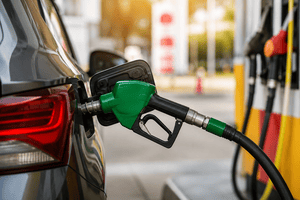
According to the latest official data, taxes and duties on petrol are about Rs 114 per litre. This includes Rs 80 per litre of petroleum levy. Taxes and duties on diesel are around Rs 100 per litre.
These figures are different from the claim of Rs 130 per litre in Hafiz Naeem’s statement. Therefore, it is not correct to consider the two figures as the same. The total price of petrol includes various taxes, levies and other price-setting factors.
Reducing petroleum levy is also a financial challenge for the government. This may provide immediate relief to consumers, but there is a risk of a reduction in federal revenue.
The recent global crisis has further increased this pressure. Due to fluctuations in the global oil market, Pakistan has been forced to change local fuel prices frequently.
OGRA has issued a new list of petroleum prices effective from August 19. According to the government regulator, prices take into account global market conditions and relevant price-setting factors.
Jamaat-e-Islami is of the opinion that the government should create room in taxes and levies instead of transferring the burden of global prices directly to consumers. The problem for the government is to provide relief to the people on the one hand and meet the fiscal targets on the other.
The current protests are highlighting this conflict at the political level. If Jamaat-e-Islami expands the scope of the protests further, political pressure on the government regarding petroleum prices and levy may increase.
However, a reduction in levy alone will not be enough for permanent relief. Global oil prices, the value of the rupee, import costs and government revenues also affect local prices.