

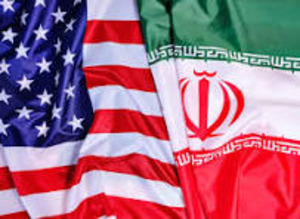
In a significant diplomatic development that could reshape the geopolitical landscape of the Middle East, the United States and Iran have formally signed the “Islamabad Memorandum”, a framework agreement aimed at ending months of conflict, reopening critical maritime routes, and laying the groundwork for comprehensive negotiations on sanctions and nuclear issues.
The agreement, signed electronically by leaders of both countries, marks one of the most substantial diplomatic breakthroughs between Washington and Tehran in recent years. While officials on both sides have presented the memorandum as a pathway toward de-escalation, analysts caution that its success will ultimately depend on implementation and the outcome of follow-up negotiations scheduled over the next 60 days.


According to details released by international media, the memorandum establishes an immediate framework for ending hostilities and reducing tensions across the region. One of its most notable provisions involves the restoration of commercial navigation through the Strait of Hormuz, a strategic waterway through which a significant portion of the world’s energy supplies pass.
The reopening of the strait is expected to be closely watched by global energy markets. Over recent months, uncertainty surrounding maritime security in the Gulf region contributed to concerns over energy supply disruptions and increased volatility in oil prices. The latest agreement seeks to restore confidence by ensuring the safe movement of commercial vessels through regional waters.
A Diplomatic Breakthrough After Months of Tension
The Islamabad Memorandum did not emerge overnight. It follows months of diplomatic engagement involving multiple international actors, with Pakistan playing a facilitative role in efforts to bring the two sides closer to a negotiated settlement. Earlier rounds of talks reportedly faced difficulties over sanctions relief, maritime security, and the future of Iran’s nuclear programme.
The current agreement appears designed as an interim framework rather than a final settlement. Under its provisions, Washington and Tehran have committed to pursuing a broader agreement through structured negotiations expected to take place over the coming weeks.
Observers note that the significance of the memorandum lies less in the immediate measures it introduces and more in its ability to establish a formal diplomatic process after years of confrontation and mistrust.
Nuclear Commitments Remain Central
One of the most closely scrutinised aspects of the agreement relates to Iran’s nuclear programme.
According to reports outlining the memorandum’s provisions, Iran has reiterated that it will not pursue the development of nuclear weapons and has agreed to continue cooperation with the International Atomic Energy Agency (IAEA) regarding oversight and verification mechanisms.
For Washington and its allies, addressing nuclear concerns remains a central objective of any long-term settlement. The memorandum therefore creates a framework under which more detailed discussions regarding uranium enrichment, monitoring arrangements and compliance mechanisms can take place.
However, experts point out that nuclear negotiations have historically been among the most difficult areas of engagement between the two countries. While the memorandum signals progress, significant technical and political challenges remain unresolved.
Sanctions Relief and Economic Recovery
The agreement also opens the door for discussions on sanctions relief and economic cooperation.
Reports suggest that the United States has indicated a willingness to consider phased economic measures, including discussions surrounding sanctions waivers, access to frozen assets and broader economic engagement linked to future compliance arrangements.
For Iran, economic considerations are likely to remain a key priority in the upcoming negotiations. Years of sanctions have imposed considerable pressure on the country’s economy, affecting trade, investment and financial flows.
Analysts believe that any sustainable diplomatic breakthrough will require progress on both security and economic issues. Without meaningful movement on sanctions, they argue, it may prove difficult to maintain momentum toward a comprehensive settlement.
Pakistan’s Role Draws Attention
The naming of the agreement as the “Islamabad Memorandum” has also brought attention to Pakistan’s diplomatic role in facilitating dialogue between the two sides.
Pakistani officials have welcomed the agreement as a positive step toward regional stability and international peace. Islamabad has consistently advocated diplomatic engagement and dialogue as the preferred mechanism for resolving regional disputes.
Diplomatic observers say Pakistan’s involvement highlights its growing profile as a facilitator in complex regional negotiations. While the long-term impact of such mediation efforts remains to be seen, the successful conclusion of the memorandum has been viewed by many as a noteworthy diplomatic achievement.
Global Implications Beyond the Middle East
The importance of the agreement extends beyond Washington and Tehran.
Financial markets, energy traders and policymakers across the world are closely monitoring developments because of the potential implications for oil supplies, shipping routes and broader regional security. The Strait of Hormuz remains one of the most strategically important maritime corridors globally, making any progress toward stability particularly significant.
Economists suggest that sustained implementation of the agreement could contribute to greater predictability in global energy markets. Meanwhile, diplomats view the memorandum as a possible opportunity to reduce tensions that have repeatedly affected regional and international security dynamics.
Challenges Still Lie Ahead
Despite the optimism surrounding the announcement, experts caution against assuming that a comprehensive resolution is guaranteed.
The memorandum establishes a framework, but many critical issues—including sanctions timelines, nuclear verification arrangements, regional security concerns and economic commitments—remain subject to future negotiations. The next 60 days are expected to be crucial in determining whether the initial breakthrough can evolve into a durable agreement.
For now, the Islamabad Memorandum represents a rare moment of diplomatic convergence between two long-standing adversaries. Whether it ultimately becomes a foundation for lasting peace or merely another temporary pause in tensions will depend on the political will demonstrated during the negotiations ahead.
As delegations prepare for the next phase of talks, governments, investors and regional stakeholders will be watching closely to see whether this historic agreement can translate into meaningful and lasting change.