

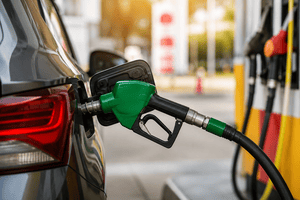
The Economic Coordination Committee (ECC) has approved a hike in the dealers’ margin of petrol and high-speed diesel by Rs 1.34 per litre. Following the decision, the margin of the dealers on both products will rise from Rs 8.64 to Rs 9.98 per litre.
The Finance Ministry said the decision was made during a meeting of the ECC, chaired by Finance Minister Muhammad Aurangzeb. The Petroleum Division presented a summary of the revision in the margin of motor spirit and high-speed diesel in the meeting.


The increase comes after a long-standing demand by petroleum dealers. The Pakistan Petroleum Dealers Association had called for a change in the margin from the government.
The association had also delayed its proposed nationwide strike following recent talks between the government and dealers. The ECC has approved the increase in the margin, making it official.
The Vice Chairman of the All Pakistan Petrol Pumps Owners Association, Noman Butt, has welcomed the decision. He also expressed his gratitude to Prime Minister Shehbaz Sharif and Petroleum Minister Ali Pervez Malik.
In December 2025, the ECC had approved a phased review of the margins of OMCs and dealers in the pricing structure of petroleum products. In this process, the dealers’ margin was to be Rs 9.98 per litre.
An important aspect of the recent decision is that the increase in dealers’ margin is not directly an announcement of a new official price of petrol or diesel. However, the margin is part of the overall price of petroleum products, so its financial impact may be included in the next determination of prices.
According to available reports, under the new margin, dealers will get Rs 9.98 per liter on both petrol and diesel. So the total margin of the dealers for both products is Rs 19.96 per litre.
On the other hand, the government’s revenue from the petroleum sector has also been at a high level. The petroleum levy collection in the fiscal year 2025-26 was about Rs 1.567 trillion, which is about Rs 99 billion higher than the budget target of Rs 1.468 trillion.
The prices of petroleum products include levies imposed by the government, taxes, dealers’ margins and other costs. Therefore, it is important to see the change in dealers’ margins in the context of the final price for consumers.
Experts say the margin rise will help dealers to offset their business costs and operational expenses. But the effect on consumers will be decided in the next government price review of petroleum products.
The government’s biggest problem is balancing the interests of the businessmen and the pressure of fuel prices on the consumers. The market will continue to be on the watch for the next announcement of petroleum prices after the current decision.